

How To Clean Solar Panels On Garden Lights (Guide)
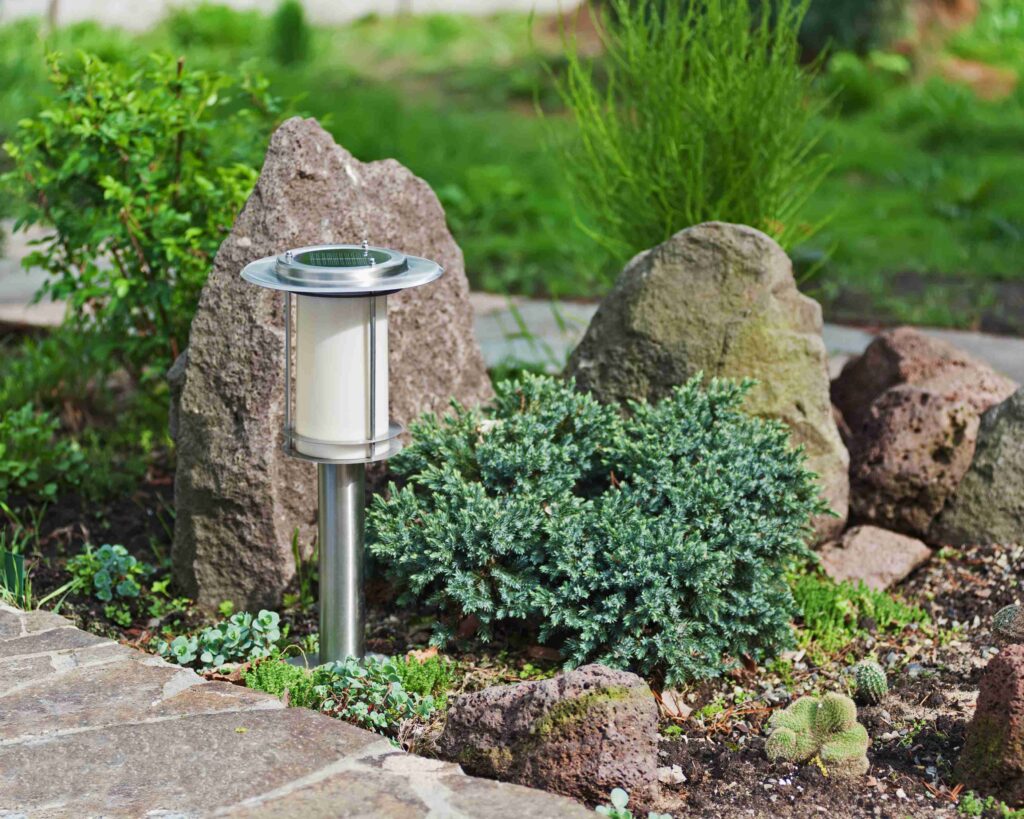
Solar garden lights are one of those things you set up once and then kind of forget about. They look great lining a walkway or lighting up a flower bed, and when they work, you never think twice.
Then one day they’re dim, half of them don’t turn on, or they shut off earlier than they used to.
Nine times out of ten, the problem isn’t the battery or the light itself. It’s the solar panel.
Solar panels on garden lights sit outside all day, collecting dust, pollen, dirt, bird droppings, and whatever else the weather throws at them. When that layer builds up, sunlight can’t get through properly, and the light just doesn’t charge like it should.
The good news is cleaning them is simple, quick, and doesn’t require any special tools or skills.
In this post, we’ll show you how to clean solar panels on garden lights like a PRO.
Gather What You’ll Need
Before you head outside, grab these items. You probably already have everything lying around the house, which is part of what makes this so easy:
- Soft cloth or microfiber towel
- Small bowl of warm water
- Mild dish soap
- Soft toothbrush or small paintbrush
- Dry towel
That’s it. No harsh cleaners, no power washers, and no fancy sprays.
In fact, strong cleaners or abrasive pads can actually scratch the solar panel, which makes it collect dirt faster in the future and charge less efficiently. Simple really is better here.
Also Read: Can’t Open Outdoor Light Fixture
#1 Turn The Lights Off And Remove Them
This step feels obvious, but it’s worth saying out loud.
Turn the lights off before you start cleaning. Most solar garden lights have a small switch under the top or inside the battery compartment. Flip that off first.
Once they’re off, gently remove them from the ground or from their mounting spot.
Cleaning is much easier when you’re not bent over trying to wipe a panel that’s still stuck in the soil. You’ll also avoid getting water into places it shouldn’t go.
If your lights are staked into the ground, pull them straight up and set them on a towel or table nearby.
If they’re mounted on a wall or fence and easy to remove, take them down. If not, just be extra careful with water around the housing.
#2 Wipe Away Loose Dirt First
Before adding any water, deal with the loose stuff.
This is the dust, pollen, and dry debris that usually sits right on top of the panel.
Take your dry cloth or soft brush and gently wipe the surface of the solar panel. You don’t need pressure here. Let the cloth do the work. Pay attention to the edges too, since dirt loves to collect around the frame.
Sometimes this step alone is enough to fix dim lights, especially after a dry, dusty stretch or pollen season. You might be surprised how much brighter the panel looks after a quick dry wipe.
#3 Clean With Mild Soap And Water
If the panel still looks cloudy or has stuck-on grime, it’s time for a deeper clean.
Mix warm water with a drop or two of mild dish soap. Dip your cloth into the water, wring it out so it’s damp rather than dripping, and gently wipe the solar panel.
Small circular motions work well and help lift grime without scratching.
For corners, seams, or textured surfaces, use the soft toothbrush or paintbrush. Go slow and keep the pressure light. You’re cleaning a delicate surface, not scrubbing a grill.
If you see bird droppings or sap, let the damp cloth sit on the spot for a few seconds before wiping.
That usually loosens it enough without needing extra force.
Also Read: C7 Vs C9 Christmas Lights
#4 Rinse And Dry
Soap residue can block sunlight just as much as dirt, so rinsing matters more than people think.
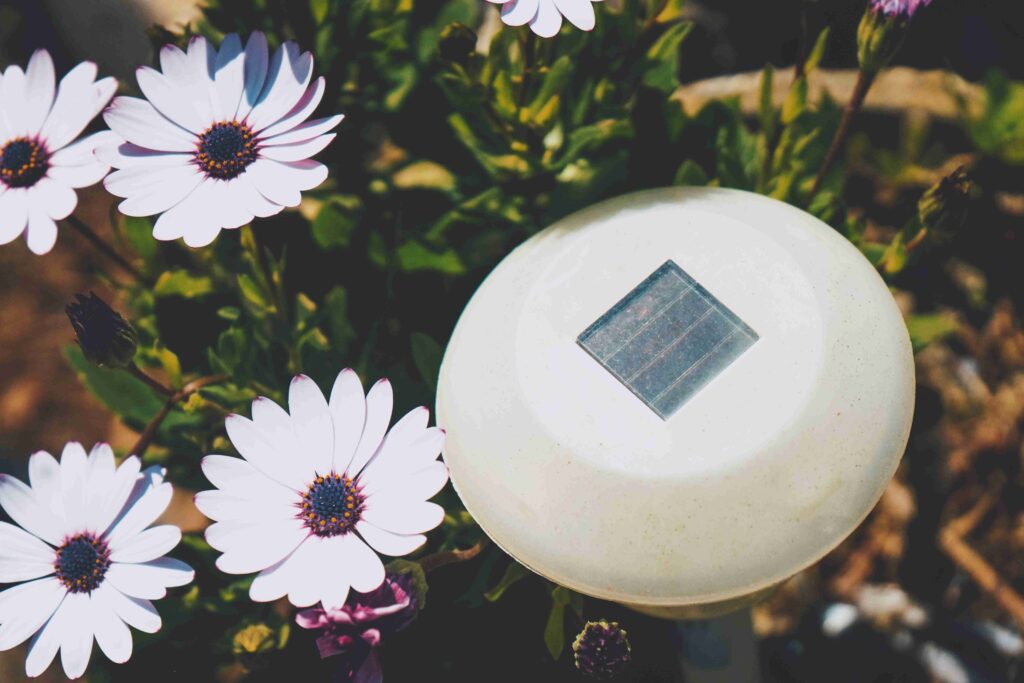
Take a clean cloth dampened with plain water and wipe the panel again to remove any leftover soap. Make sure the surface feels smooth and doesn’t look streaky.
After rinsing, dry the panel completely with a towel. Don’t let it air-dry in direct sunlight, since water spots can form and reduce efficiency.
A quick wipe with a dry cloth leaves the panel clear and ready to charge.
#5 Check The Rest Of The Light
While you have the light in your hands, take a minute to look over the rest of it.
This small check can save you frustration later.
Wipe dirt off the light cover so the bulb shines clearly at night. Check the base for packed-in mud or grass clippings. If the battery compartment is accessible, make sure it’s dry and clean.
Also look at where the light normally sits.
Plants grow, mulch piles up, and shadows change over time. A clean solar panel won’t help much if it’s shaded most of the day by bushes or tall grass.
#6 Put The Lights Back In Full Sun
Once everything is clean and dry, put the lights back where they belong.
Make sure the solar panel is facing upward and getting as much direct sunlight as possible.
Turn the lights back on and give them a full day to charge before judging the results. Solar lights often need several hours of strong sun to reach their full brightness again, especially if they’ve been struggling for a while.
That first night after cleaning is usually when you notice the biggest difference.
Also Read: Christmas Lights Stopped Working
How Often To Clean Solar Panels On Garden Lights?
Most people do fine cleaning their solar garden lights every two to three months.
If you live in a dusty area, deal with heavy pollen, or have lots of trees and birds around, monthly cleaning can make a noticeable difference.
It’s also a good idea to clean them after major weather events, like long dry spells, storms that kick up debris, or heavy pollen seasons.
Anytime the lights look dim or stop staying on as long as they used to, checking the panels should be your first move.
Bottom Line
Cleaning solar panels on garden lights is one of those small tasks that pays off immediately.
A few minutes with a soft cloth, mild soap, and some water can bring dull, unreliable lights back to life. No special tools, no complicated steps, and no guesswork.
If your garden lights aren’t shining like they used to, don’t replace them right away. Clean the panels first, give them a good day in the sun, and see what happens.
Most of the time, that’s all they needed.
FAQs
Will WD 40 Clean Solar Lights?
No, and it’s not a good idea.
WD-40 is made for loosening metal parts and displacing moisture, not for cleaning solar panels. Spraying it on the panel can leave a greasy film that actually blocks sunlight, which makes the light charge worse, not better.
Over time, that residue can attract more dirt and dust too.
Can You Clean Solar Lights With Toothpaste?
Yes, but it’s usually not worth it.
Toothpaste is mildly abrasive, so some people use it to polish cloudy plastic covers. The risk is that it can scratch the solar panel surface, especially if you rub too hard or use a gritty formula.
Those tiny scratches reduce how much sunlight gets through.
Our Blogging Experts

James Zogran – Head of Operations
At Dominion Lightworks, we’re a team of experienced lighting professionals dedicated to providing exceptional lighting solutions for residential and commercial properties.
Our Locations
Christmas Lighting in Richmond, VA
1394 Manakin Rd
Manakin Sabot, VA 23103
Mon-Fri 7 am – 10 pm
Sat-Sun Closed
Landscape Lighting in Richmond, VA
595 Weaver Brook Walk
Ridge, VA 23233
Mon-Fri 7 am – 10 pm
Sat-Sun Closed
Popular Articles


